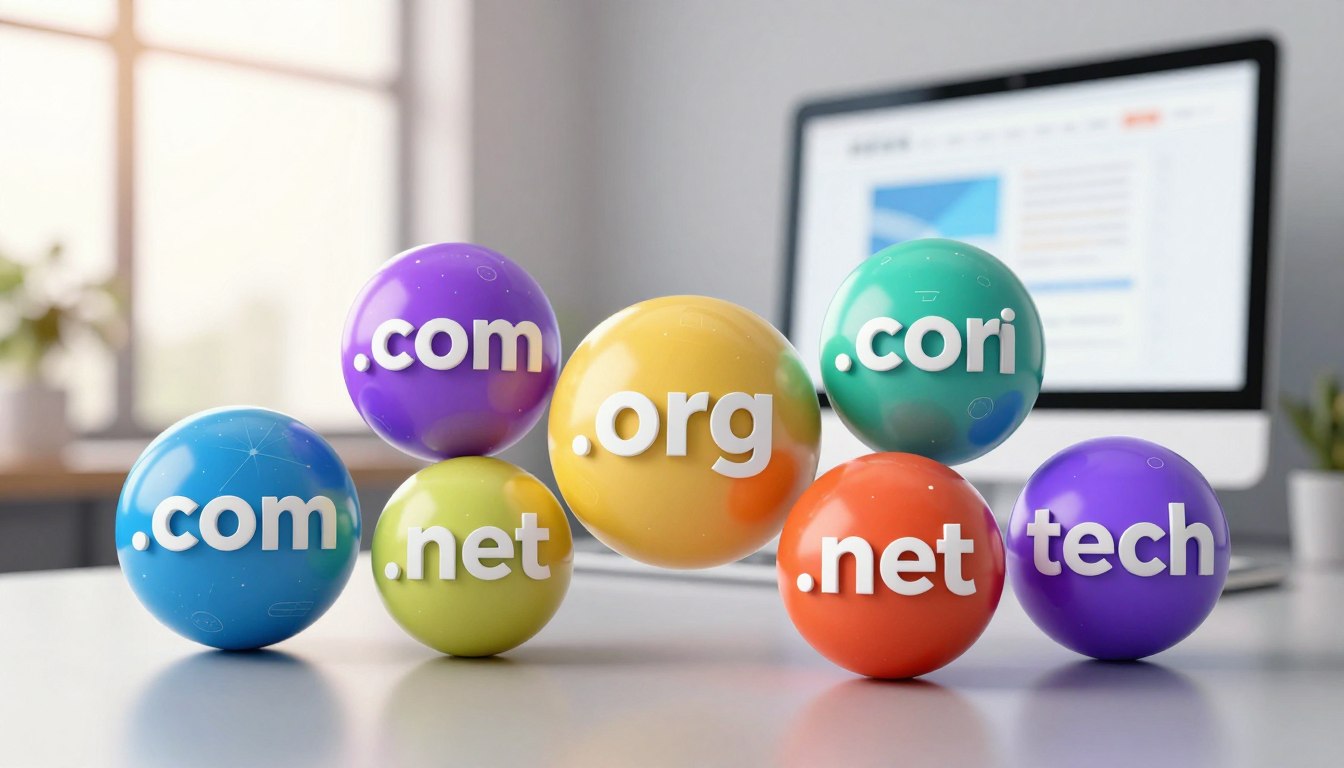



Choosing a strong digital identity starts with a key decision. Your web address is like your virtual front door. It affects how customers see your brand from the first click.
Picking a good address is not just creative; it’s a strategic asset. It impacts your visibility for years to come. Proper domain registration keeps your site accessible and professional as you grow.

By using expert strategies, you can get a memorable URL that connects with your audience. This guide shows you how to create a lasting online presence. It helps you stand out in a busy market.
Key Takeaways
- A professional web address builds immediate trust with customers.
- Keep your URL short, simple, and easy to spell for better recall.
- Prioritize extensions like .com to maintain industry credibility.
- Avoid using hyphens or numbers that confuse your audience.
- Ensure your choice aligns with your long-term brand vision.
Understanding the Importance of a Strong Domain Name
A strong domain name is your digital storefront where people first see your brand online. It’s the first thing users see when they visit your site. Picking the right name is key to being seen.
Why Your Domain is Your Digital Storefront
Your URL is like your business’s address online. A good domain name draws people in, just like a welcoming shop window. It makes it easy for users to find you.
A simple domain name makes it easier for people to find your site. This means more people can see what you offer. A clear name helps everyone, from new visitors to regular customers.
The Impact of Branding on Customer Trust
Good online branding means your digital identity is consistent. A great domain name shows your business is real and trustworthy. When your domain matches your company name, it builds trust fast.
A professional-looking website makes people think you offer quality service. If your domain looks off, people might not want to share their info or buy from you. Choosing a name that shows what your business stands for is important for your reputation and success.
Defining Your Brand Identity Before You Search
Creating a strong brand identity is key to a good business domain strategy. Before picking a web address, know your company’s core values and personality. This step helps avoid wasted time and keeps your online image consistent as your business grows.
Aligning Your Domain with Business Goals
Your domain name is your digital storefront’s main entrance. It should show your future vision, not just what you offer now. A well-thought-out business domain strategy looks ahead, planning for your company’s future.
For global ambitions, choose a name that sounds big and professional. For a local shop, a name with a personal or regional feel might work better. Make sure your domain name supports your growth plans.
Identifying Your Target Audience and Niche
Knowing who you serve is as vital as knowing what you sell. Your brand identity must connect with your audience’s needs and language. Picking a niche early helps you choose a domain that speaks to your customers.
Here’s a table to guide you in matching your brand with a naming strategy:
| Brand Personality | Naming Strategy | Target Audience |
|---|---|---|
| Professional & Corporate | Formal, Industry-Specific | B2B Clients |
| Creative & Playful | Abstract, Catchy | Younger Consumers |
| Local & Community-Focused | Geographic, Descriptive | Neighborhood Residents |
| Innovative & Tech-Driven | Modern, Short | Early Adopters |
How to Choose the Best Domain Name for Your Business
Finding the right domain name is key for any business owner. It’s the first thing customers see when they search for you online. Taking your time to pick the best name can really help your business grow online.
Prioritizing Simplicity and Memorability
The best domain names are short, clear, and easy to remember. When people hear your brand name, they should be able to find your site easily. Simplicity is the secret to a strong online presence.
Stay away from hard words or tricky spellings that might confuse people. A name that sticks in your mind after just one time is a good one. Try to keep your domain under fifteen characters to keep it simple.
Avoiding Hyphens and Confusing Characters
Many people use hyphens to separate words in their domain. But, this can lead to lost traffic. If users forget the dash, they might end up on the wrong site.
Characters like numbers or double letters can also cause problems. If you need to explain your domain, it’s too long. Use only standard letters to keep your brand easy to find and professional.
The Role of Keywords in Domain Selection
Adding the right keywords can help search engines find you. But, don’t overdo it. Too many keywords can look like spam and hurt your reputation.
Use these domain name tips to find a good balance between SEO and your brand. A great name should feel natural and right, not forced. Here’s a table to help you choose wisely.
| Strategy Element | Recommended Approach | Common Pitfall |
|---|---|---|
| Length | Keep it under 15 characters | Using long, descriptive phrases |
| Punctuation | Use only letters | Including hyphens or numbers |
| Keywords | Use one primary industry term | Keyword stuffing for SEO |
| Memorability | Easy to spell and pronounce | Using obscure or complex words |
Selecting the Right Top-Level Domain Extension
Your choice of top-level domain extension sends a message to search engines and customers. It’s not just a technical detail; it’s a key part of your brand’s first impression. Choosing a professional domain ensures your site matches your business goals from the start.

Why .com Remains the Gold Standard
The .com extension is the top choice for most businesses. It’s seen as authoritative and globally recognized. People often default to .com, making it a safe bet for getting visitors to your site.
For businesses aiming for a global presence, a .com address is a must. It boosts credibility and helps build trust with new visitors right away.
When to Consider Industry-Specific Extensions
Industry-specific extensions can give your brand a unique edge. For example, .tech, .store, or .agency can show your industry before visitors even see your site. This is smart if your .com name is taken or you want to highlight your specialized services.
- Use .tech for software or hardware companies.
- Choose .store for e-commerce platforms.
- Select .agency for creative or marketing firms.
Evaluating Country-Code Domains for Local SEO
For businesses focused on a specific region, a country-code top-level domain is valuable. Extensions like .us or .ca tell search engines your content is for a local audience. This is key for boosting your local SEO in competitive markets.
Using a regional extension shows search engines your business is local and relevant. This targeted approach can lead to more local customers and higher conversion rates.
| Extension Type | Primary Benefit | Best For |
|---|---|---|
| .com | Global Trust | General Businesses |
| Industry-Specific | Niche Branding | Specialized Services |
| Country-Code | Local SEO | Regional Markets |
Conducting Thorough Domain Availability Research
Checking if a domain is available is key to protecting your business. Before you start a website, make sure the name is safe and can be registered. Skipping this step can cause big problems, like needing to change your brand or facing legal issues.
Using WHOIS Tools to Check Ownership
Start by using WHOIS databases for your domain name research. These tools show if a domain is taken. If it’s registered, you can find the owner’s contact info to talk about buying it.
Always check when a domain will expire. Sometimes, a domain is registered but not used. This could be a chance to buy it later. Always use trusted registrars for the latest and most accurate info.
Checking Social Media Handle Consistency
Having the same name everywhere is important for your brand. After checking your domain, see if social media handles are free. This makes it easier for people to find you and boosts your brand authority.
- Look up availability on X, Instagram, and LinkedIn.
- Make sure the name is easy to spell and say on all platforms.
- If your exact name is taken, find close variations.
Avoiding Trademark Infringement Pitfalls
Even if a domain is free, watch out for domain trademark issues. A name might seem okay, but it could be trademarked by someone else. This can lead to expensive legal fights that harm your business.
It’s smart to check the United States Patent and Trademark Office (USPTO) database. This helps avoid trademark conflicts. Doing this early in your domain name research helps avoid legal trouble and protects your investment.
| Research Method | Primary Benefit | Risk Level |
|---|---|---|
| WHOIS Lookup | Verifies ownership status | Low |
| Social Media Audit | Ensures brand consistency | Medium |
| USPTO Database | Prevents domain trademark conflict | High |
Strategies for When Your Preferred Name is Taken
Discovering that your ideal domain name is already registered can feel like a major setback. But, this doesn’t mean you must give up on your original vision. By making a few strategic changes, you can find a professional URL that fits your brand perfectly.
Creative Alternatives and Modifiers
If your first choice is taken, you can use domain name modifiers to find a unique variation. Adding a simple prefix or suffix can solve the problem while keeping your brand recognizable. For example, service-based businesses might add words like “get,” “try,” or “app” to their core name.
Changing the structure of the name to better reflect your niche is also an option. Simplicity remains key, so avoid overly complex additions. A clean, descriptive modifier can make your web address feel more authoritative and specific to your target market.
Negotiating with Current Domain Owners
Sometimes, the owner of a domain is willing to sell for the right price. You can check the domain availability status through a WHOIS lookup to find contact information. If the domain is not actively being used, the owner may be open to a reasonable offer.
Approach these negotiations with a professional and clear tone. It’s helpful to have a budget in mind before you initiate contact. Keep in mind that some owners may have high expectations, so be prepared to walk away if the cost exceeds your business goals.
Considering Premium Domain Marketplaces
If you’re determined to get a specific address, premium domain marketplaces offer a secure environment for these transactions. Platforms like Sedo, Afternic, or Flippa act as intermediaries to ensure the transfer process is safe for both parties. These sites often host thousands of high-quality domains that are already listed for sale.
Using a marketplace removes much of the guesswork and risk associated with private negotiations. You can browse listings, compare prices, and finalize your purchase with confidence. Investing in a premium domain can provide long-term value by giving your business a memorable and established digital presence from day one.
Securing Your Domain and Protecting Your Privacy
Protecting your online presence starts when you pick your domain name. Taking the right steps during domain registration keeps your digital asset safe. By following security protocols, you create a strong base for your website.
Understanding Domain Registration Periods
When you register a domain, you choose a term length from one to ten years. Choosing a longer term can be a smart strategic move for your business. It shows stability to search engines and avoids the hassle of frequent renewals.
Many registrars offer discounts for longer terms. This helps you secure your name while keeping costs down. It’s a simple way to manage your budget and protect your brand.
The Importance of WHOIS Privacy Protection
Public databases often list domain owners’ contact details, leading to unwanted solicitations. Using domain privacy protection keeps your personal info hidden. This service replaces your details with generic info from the registrar.
Without privacy protection, spammers and data scrapers can find your email and phone number. Keeping your identity safe is key to a professional online image. Most providers offer this feature as a standard or low-cost add-on.
Setting Up Auto-Renewal to Prevent Expiration
The most common cause of site downtime is domain expiration due to forgotten renewals. If you forget, your site may go offline or be bought by someone else. Auto-renewal is the best way to avoid this risk.
Auto-renewal keeps your domain active without needing manual renewal. This peace of mind lets you focus on growing your business. Always check your contact email is up to date for billing notifications.
| Feature | Manual Renewal | Auto-Renewal |
|---|---|---|
| Risk of Expiration | High | Very Low |
| Management Effort | High | Minimal |
| Security Level | Moderate | High |
| Cost Predictability | Variable | Stable |
Transitioning from Domain Registration to Hosting
Starting your digital storefront is more than just picking a name. It also needs a reliable server to stay online. After you’ve registered your domain, finding a secure place for your website files is next.
Connecting Your Domain to a Reliable Server
To show your site to the world, you need to point your domain to a hosting provider. This means updating your DNS settings so visitors can find your content right away. Picking the right website hosting partner is key for your site’s growth and stability.

Evaluating the Toolcats Basic VPS Hosting Plan
The Toolcats Basic VPS plan is a great start for beginners at $0/mo. It’s made for light users who need a strong base without a big price tag. It’s perfect for new business owners who want power and simplicity.
Technical Specifications of the Toolcats Basic Plan
The table below shows the main hardware and performance of this package. These specs help your site run smoothly under normal traffic.
| Feature | Specification |
|---|---|
| CPU | 2 vCPU Cores |
| Memory | 8 GB RAM |
| Storage | 100 GB SSD |
| Network Speed | 100 Mbps |
Benefits of Windows Server 2022 and Remote Access
This plan comes with Windows Server 2022, a modern and secure platform for your apps. You get full administrator access for total server control. Plus, remote desktop support makes managing your files easy from anywhere.
Why 24/7 Uptime Matters for Your New Domain
Good hosting services keep your site up and running all the time. If your server goes down, you lose customers and harm your reputation. With 24/7 support and uptime, you can be sure your business is always open for visitors.
Optimizing Your Domain for Search Engine Visibility
Your domain name is key to connecting your brand identity with customers. It’s important to be creative but also think about search engines. A good domain name sends a clear message to users and search engines, boosting your online branding from the start.
Balancing Branding with Search Intent
It’s vital to find a balance between a unique name and what people are searching for. A name that’s too vague can confuse users about what your business does. You need a name that shows what you’re about and is easy to find online.
Good online branding means being clear. When your domain name matches what people search for, you’re more likely to show up in search results. This connection between your identity and what users want is key to lasting SEO visibility.
Structuring Your URL for Better Indexing
Search engines like clean, simple URLs. Avoid complicated URLs with lots of numbers or characters. A straightforward URL helps search engines understand your site better, which can improve your ranking over time.
Here’s a table to show how different domain strategies affect your site:
| Strategy | Impact on SEO | Brand Recognition |
|---|---|---|
| Descriptive Keywords | High Search Intent | Moderate |
| Unique Brand Name | Low Initial Intent | High |
| Hybrid Approach | Balanced | Strong |
By keeping your URL structure clean, you make sure your brand identity is consistent online. This technical focus helps your SEO visibility by making your site easier for the right people to find.
Common Mistakes to Avoid During the Selection Process
Many entrepreneurs make mistakes that hurt their online presence during the naming phase. Understanding professional domain selection can prevent big problems later. Knowing these common pitfalls helps your brand launch smoothly.
Choosing Names That Are Too Long or Complex
Choosing a name that’s hard to type or remember is a big mistake. A long domain name can lead to typos or forgotten web addresses. Simplicity is your best friend for a recognizable brand.
Go for a name that’s short, catchy, and easy to spell. Domain name tips suggest keeping your URL under fifteen characters. If a name is too complex, users might forget it.
Ignoring Future Scalability and Expansion
Many choose names that limit business scalability. A name like “BestLocalShoes.com” might not work for selling accessories or clothing later. You need a name that grows with your business.
Think about your business’s future. A broader name allows for growth without needing a rebrand. Prioritizing business scalability now saves you from costly domain changes later.
Overlooking Possible Misspellings and Phonetic Issues
Even a great name can fail if it sounds like something else. Consider how your domain sounds in ads or conversations. Confusing phonetic spellings can lose you traffic to competitors.
Test your name with friends and colleagues to see if they can spell it right after hearing it. Checking for misspellings is key in professional domain selection. This step ensures your marketing leads to your site, not a dead end.
| Common Mistake | Primary Impact | Recommended Action |
|---|---|---|
| Excessive Length | Poor user recall | Keep it under 15 characters |
| Niche-Specific Naming | Limits growth | Choose a broader, scalable name |
| Phonetic Ambiguity | Lost traffic | Perform a “radio test” with peers |
| Complex Spelling | High bounce rate | Use simple, common words |
Conclusion
Choosing the right domain name is key. It affects your brand’s credibility, how well you show up in search engines, and your growth. It’s the first thing customers see when they look for your business online.
You know how to pick a domain now. Use what you’ve learned to find a name that speaks to your audience and meets your business needs.
Your domain is a big investment in your company. Spend time finding, securing, and protecting it as you grow. Keeping it up helps your brand stay professional and easy to find for years.
Begin by picking a name that shows your vision. Your success starts with a strong foundation today.
FAQ
Why is choosing the right domain name critical for my digital storefront?
Your domain name is your online identity. It’s your first impression to the world. A good name makes you look professional and trustworthy.
Should I use hyphens or special characters in my business URL?
It’s best to avoid hyphens and special characters. Simple and easy-to-remember names help keep visitors on your site. Complex names can lead to lost traffic.
Is the .com extension the best choice for a new business?
Yes, .com is the most recognized domain. But, for local markets, consider country-code domains. If .com is taken, look at industry-specific domains.
What should I do if my preferred domain name is already registered by someone else?
Try adding modifiers to your brand name. Use WHOIS tools to contact the owner. You can also buy premium domains from GoDaddy or Sedo.
How can I protect my personal information after registering a domain?
Enable WHOIS privacy protection to keep your info private. This stops spammers and protects your online assets.
How do I ensure my website stays online and doesn’t expire accidentally?
Set up auto-renewal to avoid domain expiration. This keeps your site live and your brand’s presence strong.
What is the best hosting option for a new domain on a budget?
The Toolcats Basic VPS hosting is great for beginners. It’s free and offers solid specs for a new site.
Does my domain name impact my search engine rankings?
Yes, your domain affects search engine visibility. Choose a name that balances branding and search intent for better indexing.
What common mistakes should I avoid when naming my business online?
Avoid long or complex names. They’re hard to remember and can cause phonetic issues. Also, check social media handles and think about future growth.
How can I avoid legal trouble during the domain selection process?
Do thorough research to avoid trademark issues. Use WHOIS tools and check trademark databases to ensure your name is safe.
Leave a Reply